


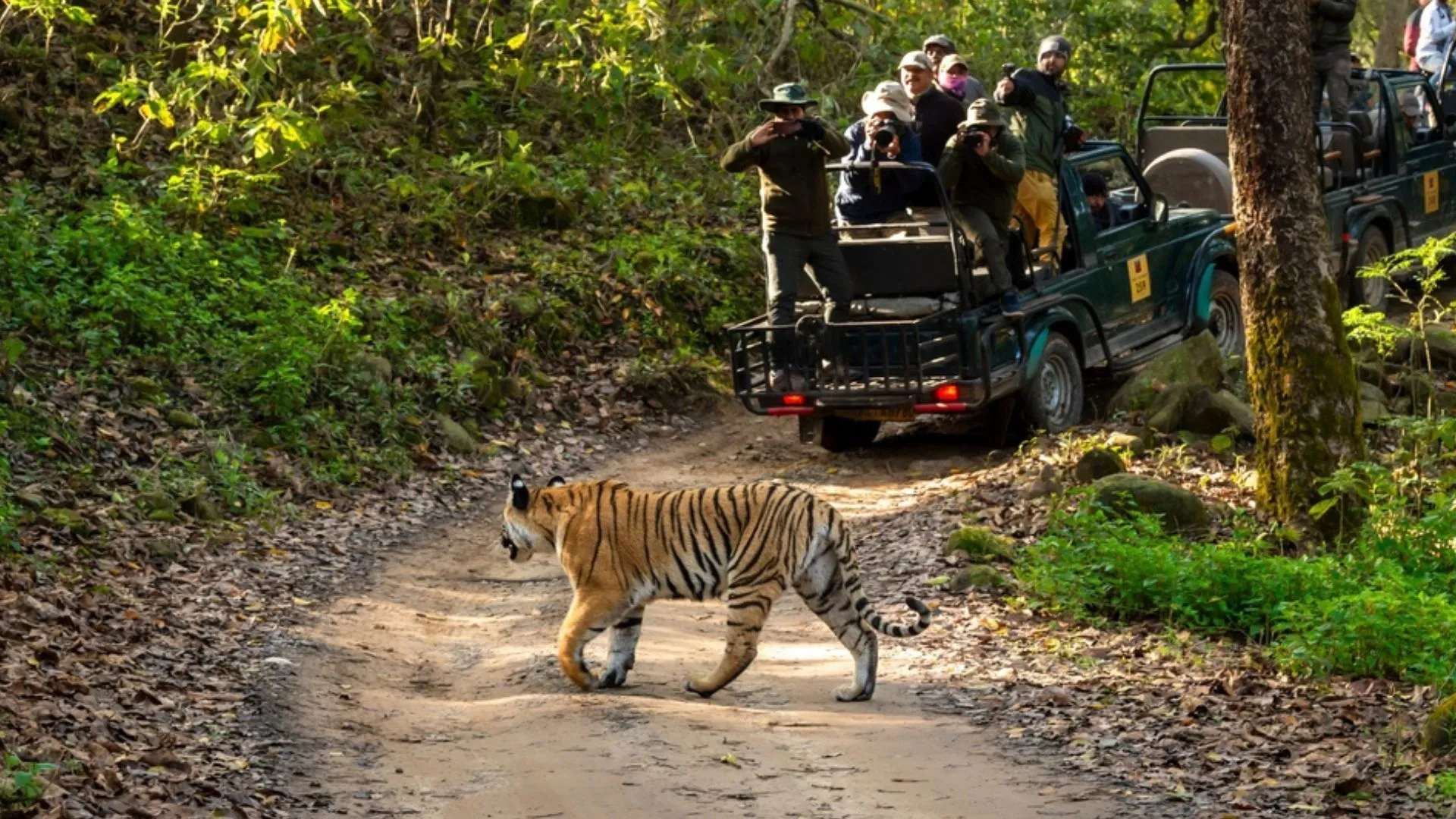
India is a paradise for wildlife enthusiasts, offering a rare opportunity to witness the majestic Bengal tiger in its natural habitat. Planning a tiger safari requires careful preparation to ensure a memorable and safe experience. This guide will help wildlife lovers plan their trip and highlight some of the best tiger safari destinations in India, with examples to illustrate what you can expect.
- Choose the Right Tiger Reserve
India has over 50 tiger reserves, each providing unique landscapes and wildlife experiences. Some examples include:
- Ranthambore National Park, Rajasthan: Famous for its historic forts and lakes, Ranthambore offers a high chance of spotting tigers roaming freely.
- Jim Corbett National Park, Uttarakhand: Known as India’s first national park, it offers a combination of dense forests and open grasslands perfect for tiger sightings.
- Bandhavgarh National Park, Madhya Pradesh: With one of the highest tiger densities in India, Bandhavgarh is ideal for wildlife photography enthusiasts.
Example: Wildlife lovers visiting Ranthambore may spot tigers lounging near Padam Talao or prowling the ruins of Ranthambore Fort, offering spectacular photo opportunities.
- Decide on the Safari Type
Tiger safaris in India come in various formats. Selecting the right type enhances your experience:
- Jeep Safari: Comfortable and covers large areas quickly; ideal for first-time visitors.
- Canter Safari: Open-top buses suitable for group tours and photography enthusiasts.
- Boat Safari: Available in Sundarbans National Park for spotting mangrove tigers along the rivers.
Example: A boat safari in Sundarbans lets you see Royal Bengal Tigers navigating mangrove channels, a truly unique experience different from a jeep safari.
- Select the Best Time to Visit
Timing is critical for spotting tigers, as they are more active during certain months:
- Ranthambore & Jim Corbett: October to June
- Central India Parks (Bandhavgarh, Kanha, Pench): October to June
- Sundarbans: November to March
Example: An early morning jeep safari in Jim Corbett may reward you with a tiger emerging from dense forests near the Ramganga River, a sighting best captured at sunrise. Witness majestic Bengal tigers up close on the best tiger safari in India curated by experienced naturalists.
- Book Your Safari and Accommodation in Advance
- Online Booking: Most parks allow advance online reservations.
- Tour Operators: Offer packages including safari, accommodation, and meals.
- Stay Nearby: Choosing lodges or resorts close to the park ensures participation in early morning safaris.
Example: A stay at a forest lodge near Kanha allows you to join sunrise safaris and enjoy close encounters with tigers and other wildlife like barasingha deer or leopards.
- Prepare Essentials and Follow Guidelines
- Clothing: Neutral colors like khaki, green, or brown.
- Gear: Binoculars, camera, water, sunscreen, and hats.
- Safari Rules: Follow your guide’s instructions, maintain silence, and avoid littering.
Example: Carrying binoculars in Bandhavgarh allows you to spot tigers from a distance in dense forests, while following the guide ensures safety and better sighting chances.
- Make the Most of the Experience
- Observe other wildlife, such as elephants, leopards, crocodiles, and exotic birds.
- Take time to enjoy the forest sounds and natural landscapes.
- Capture memories through photography or a travel journal.
Example: While on safari in Ranthambore, you might also spot striped hyenas near lakes or monkeys playing on tree branches, adding to the richness of your wildlife adventure.
Planning a tiger safari in India is a rewarding experience for wildlife lovers. By choosing the right reserve, deciding on the type of safari, visiting during the best season, booking in advance, and preparing well, you can enjoy close encounters with the majestic Bengal tiger. From the historic ruins of Ranthambore to the mangrove channels of Sundarbans, each tiger reserve offers unique adventures and unforgettable wildlife experiences. With proper planning, your tiger safari trip in India can become a once-in-a-lifetime journey into the wild.
