


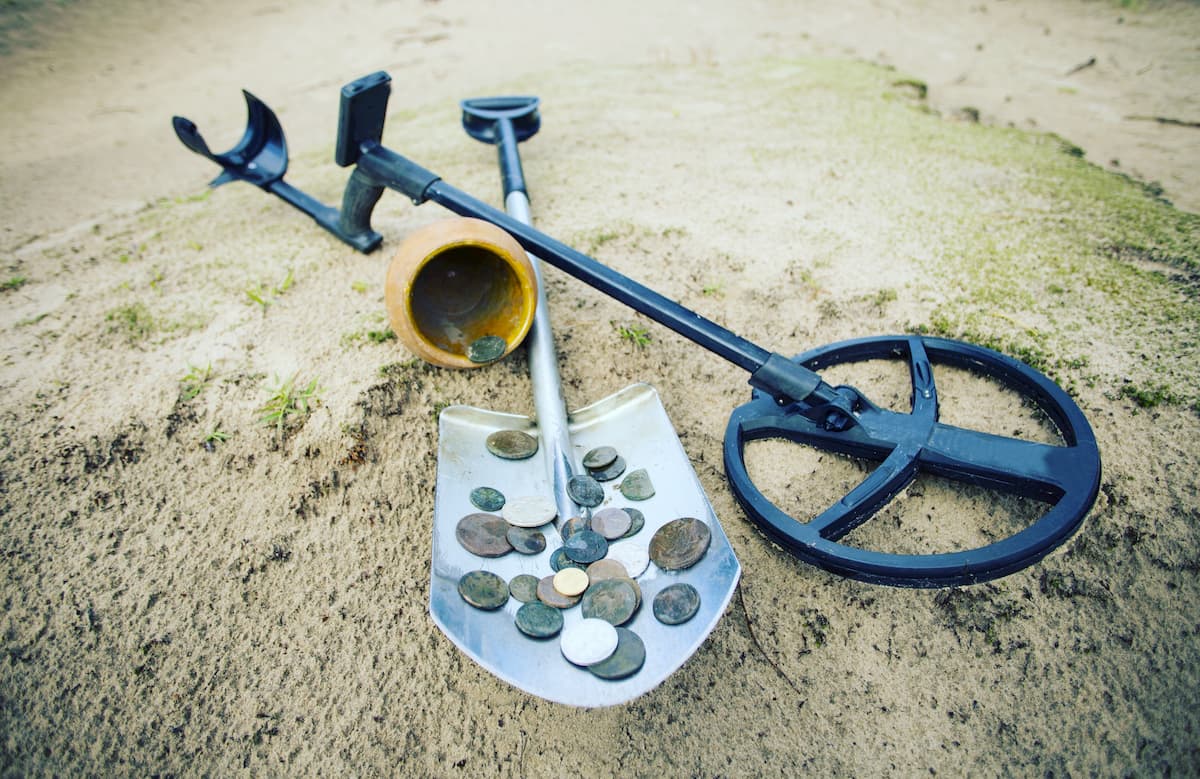
Metal detecting is a diverse hobby and professional activity that can take place on land or underwater. Each environment presents unique challenges that require specific features and technologies in a metal detector. Understanding these differences is key to selecting the right detector for your detecting goals.
This guide explores top metal detectors for land and underwater searches, detailing their features, applications, and advantages.
1. Metal Detectors for Land Searches
Land detecting is the most common form of metal detecting, including parks, fields, forests, and historical sites.
Key Features for Land Detectors:
- Discrimination: Helps distinguish between valuable metals like coins and jewelry and unwanted metals such as iron.
- Adjustable Sensitivity: Optimizes detection depth in various soil conditions.
- Ground Balance: Compensates for mineralized soils to reduce false signals.
- Ergonomics: Lightweight and adjustable designs allow comfortable long sessions.
- Coil Options: Small coils for tight spaces; larger coils for greater coverage and deeper detection.
Top Land Metal Detectors:
- Garrett ACE Apex: Lightweight, multi-frequency, ideal for coins and relics.
- Minelab Vanquish 540: Multi-frequency, adjustable settings, versatile for fields and forests.
- XP Deus II: Wireless, professional-grade, highly customizable for various terrains.
2. Metal Detectors for Underwater Searches
Underwater metal detecting is popular on beaches, riverbanks, and shallow waters. Detectors for water searches require full waterproofing and specialized technology to handle mineralized sand and water conductivity.
Key Features for Underwater Detectors:
- Full Waterproofing: Allows submersion without damaging electronics.
- Saltwater Capability: Reduces false signals caused by saline environments.
- Pulse Induction Technology: Provides superior depth and stability in water and mineralized sand.
- Durable Design: Resistant to corrosion from saltwater and outdoor conditions.
- Lightweight and Ergonomic: Facilitates comfortable detecting in water.
Top Underwater Metal Detectors:
- Minelab Excalibur II: Fully submersible, excellent for coins, relics, and jewelry in water.
- Garrett AT Pro: Waterproof, versatile, suitable for land and water.
- Nokta Makro Simplex+: Budget-friendly, waterproof, beginner-friendly for shallow water use.
3. Advantages of Choosing Terrain-Specific Detectors
- Optimized Detection: Detectors designed for land or water improve target identification and depth.
- Reduced False Signals: Advanced ground balance and saltwater compensation improve accuracy.
- Enhanced Comfort: Ergonomic designs allow extended detecting sessions.
- Versatility: Some detectors perform well in both land and shallow water, expanding detecting opportunities.
- Durability: Specialized detectors withstand tough conditions, ensuring long-term performance. User reviews on Vertex Detectors detail which top metal detectors perform well in real-world conditions.
4. Tips for Selecting the Right Detector
- Determine Your Primary Environment: Choose a detector designed for land, water, or both.
- Check Technology Type: VLF for land detecting, PI for deep water or gold prospecting, or multi-frequency for versatility.
- Consider Coil Size: Small coils for tight spaces; large coils for maximum depth.
- Assess Budget: Entry-level detectors are sufficient for casual use, while professionals may invest in high-end models.
- Read Reviews and Test Models: Expert and user feedback helps evaluate performance in real-world conditions.
5. Final Thoughts
Selecting the right metal detector for land and underwater searches ensures optimized performance and a more rewarding detecting experience. Detectors like the Garrett ACE Apex, Minelab Vanquish 540, XP Deus II, Minelab Excalibur II, and Garrett AT Pro combine advanced technology, depth, accuracy, and durability to suit different terrains and detecting goals.
